
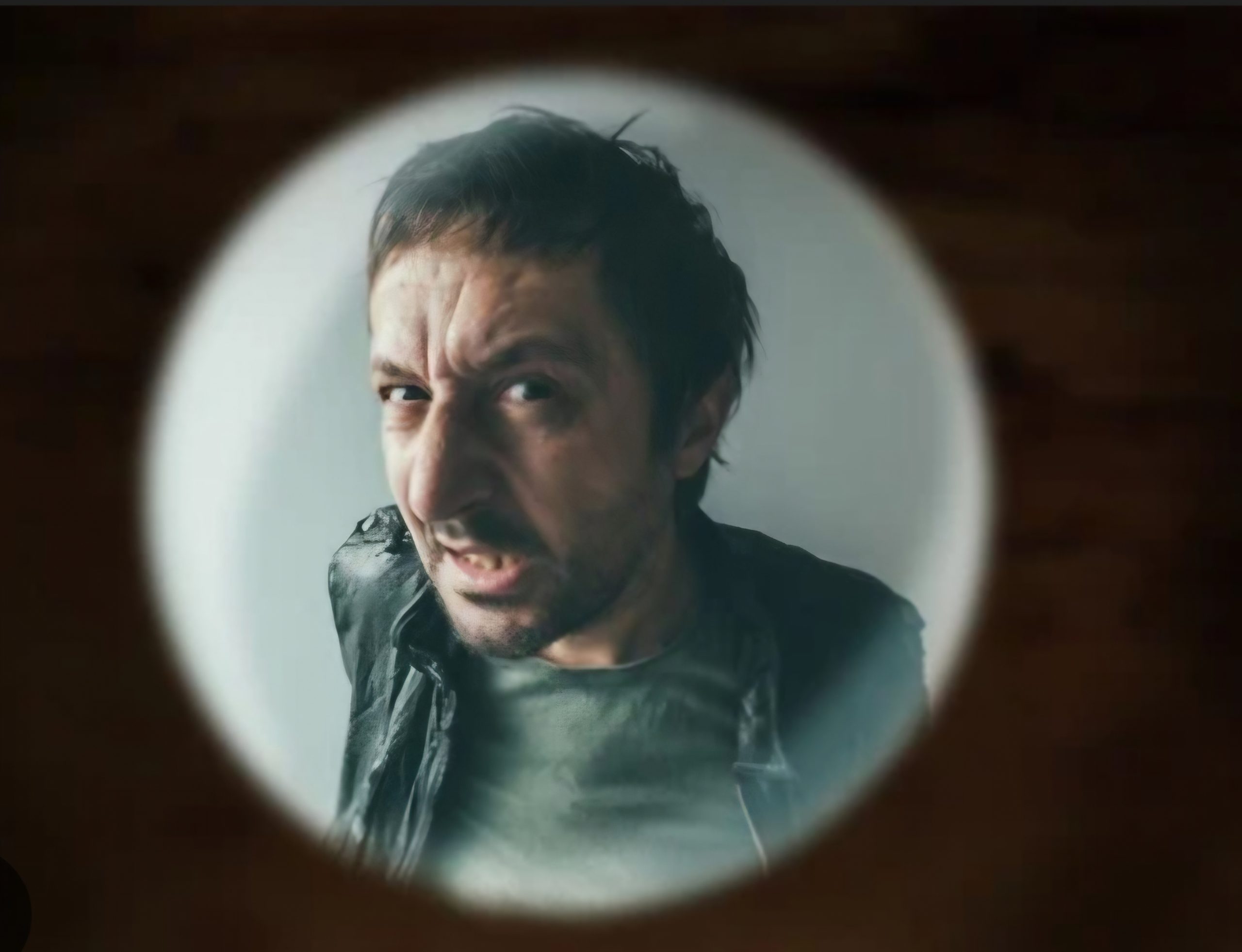
I used to think anger was the problem. That if I could just stop feeling it, I would be fine. But what helped me wasn’t learning how to kill the anger. It was learning what to do with it.
I realised anger isn’t the enemy. It’s a signal. Like a fire alarm going off in your soul, telling you something feels threatened — your dignity, your sense of fairness, your peace. The question isn’t will you get angry. You will. We all do. The question is what happens next. What do you do with it? Who do you become on the other side of it?
The Bible didn’t teach how to suppress anger, contrary to many teachings you and I have heard. It taught how to walk through it and come out the other side changed.
The first thing that helped me was slowing down in the moment anger erupted. You know the moment. Someone says something. An injustice happens. Your body tightens up, your face gets hot, and your tongue is already loading its ammunition. For a long time, that’s where I lost it every time.
James 1:19 says, “be quick to hear, slow to speak, slow to anger.” That’s not about being cold or passive. It’s wisdom buying you time. Those first few seconds determine the next few hours. Learning to pause in the heat, even just breathe, changed a lot for me. Proverbs 17:27-28 calls that kind of person who pause someone of great understanding. Your silence in that moment isn’t weakness. It’s the first move someone makes who genuinely wants peace.
Consider the incredible story of Cain. The first human being born outside Eden became a murderer. He worked the ground, his brother Abel kept animals, they both brought offerings to God. God accepted Abel’s and didn’t accept Cain’s. And Cain burned with anger. But before that fire destroyed everything, God showed up. He asked two questions: Why are you angry? Why is your face downcast?
Those were the first questions God ever asked a human being about their emotions. Not accusations. Not a lecture. Just: what’s going on with you? What is your face telling me that you haven’t said out loud yet? He saw the scowl, the sulking, that inner collapse that showed up before Cain even opened his mouth, and instead of condemning him, God invited him to look at it himself. To name it. To own it before it owned him.
Then God went further: “Sin is crouching at your door. It desires to have you, but you must rule over it.“ The Hebrew word here, ‘rovets‘, pictures an animal lurking, ready to spring. Sin isn’t some vague abstract force. It’s a predator watching Cain’s anger, waiting to use it. God looked him in the face and said: you can still choose. The door isn’t broken down yet.
Cain didn’t take the way out. He let it spring. And the first human death in history was a brother killing a brother, driven by unrestrained anger.
Cain’s failure is a warning for us, not a sentence over us. The same questions God asked him, he asks us. The same choice stands in front of anyone who has ever been angry: will you let it master you, or will you master it?
Let me tell you the next step for me. After the heat settled, the real work began. I had to ask myself: what was I actually protecting here? And that took more honesty than I was used to. Psalm 139 showed me what that looked like. David said, search me, God. Know my heart. See if there’s anything in me that shouldn’t be there. He didn’t hide. He didn’t make excuses. He just opened up and invited God in. And God doesn’t search you to shame you. He searches you to heal you.
When I sat with my anger and asked what was underneath it, the Spirit helped me sort through it. Was it real righteous anger about something genuinely wrong? Or was it the old pride flaring up? Was it fear? A need to be in control? I found both, more often than I would like to admit. But I wasn’t sorting through it alone. Holy Spirit helped me.
Whatever you find underneath, you have to name it. Not vaguely, not softened. Just name it.
First John 1:9 says if we confess, if we agree with God about what’s actually true, he is faithful to forgive. I thought about the tax collector in Luke 18. He didn’t walk into the temple with a list of reasons why he wasn’t that bad. He just said, God, be merciful to me, a sinner. Nothing more. And Jesus said that man went home justified.
Something shifts when you finally just say it as it is: that was my pride. That was my fear of being overlooked. That was me wanting to hurt someone because I was hurting. When you say it plainly, what was hidden loses its grip.
Then comes the part that has to be decisive. Not eventually, now. Ephesians 4:31 uses this stripping-off language: let all bitterness, wrath, anger, clamor, slander be put away from you. You’re not negotiating with the anger or trying to manage it down slowly. You’re saying to yourself: this doesn’t belong to me anymore. The Holy Spirit revealed the source of it, and you named it. The person you used to be wore that. The person you’re becoming in Christ doesn’t need it.
And you don’t walk away with nothing. Ephesians 4:24 says to put on the new self, and Romans 13:14 says to clothe yourself with Christ himself. So what does Christ look like when someone wrongs him? Patience that outlasts the insult. Compassion that moves toward the person who caused the hurt. Humility that doesn’t need to win. Colossians 3:12 lists it out: compassion, kindness, gentleness, patience. You put those on by faith, on purpose, like getting dressed in the morning. And over time, they start to feel natural.
Life keeps bringing new provocations. That didn’t stop for me and it won’t stop for you. But the Spirit doesn’t leave you running on willpower alone. Galatians 5:25 says keep in step with the Spirit. It’s a moment-by-moment rhythm. Asking, yielding, and following.
Over time, what used to master me became something I knew how to deal with. The anger still comes. But it doesn’t own me the way it used to.
Your anger doesn’t have to define you. It can actually be the thing that changes you. Every time you walk this path, you are being changed. More like him over time.
Walk in the Spirit, and you shall not fulfill the lust of the flesh. Galatians 5:16.
That’s what helped me. Not pretending the anger wasn’t there. Not burying it. Letting it be transformed into patience, into love, into something that actually looks like Christ.
Author

Related posts
Fought the good fight
“I have fought the good fight, I have finished the race, I have kept the faith.” 2 Timothy 4:7 Paul wrote these...
Read out allThe same truth reveals different hearts.
“I will open my mouth in parables, I will utter things hidden since the creation of the world.” Matthew 13:35 Jesus loved...
Read out allCalled By Your Name
“But now, thus says the Lord, who created you, O Jacob, And He who formed you, O Israel:‘Fear not, for I have...
Read out allUnderstanding Darkened -1
“This I say therefore, and testify in the Lord, that you should no longer walk as the rest of the Gentiles walk,...
Read out all
Justice
“His work is perfect: for all his ways are judgement: a God of truth and without iniquity, just and right is he.”...
Read out all
The Book of Revelation
“These words are faithful and true” Revelation 22:6 There is a promise attached to the Book of Revelation that we often overlook....
Read out all